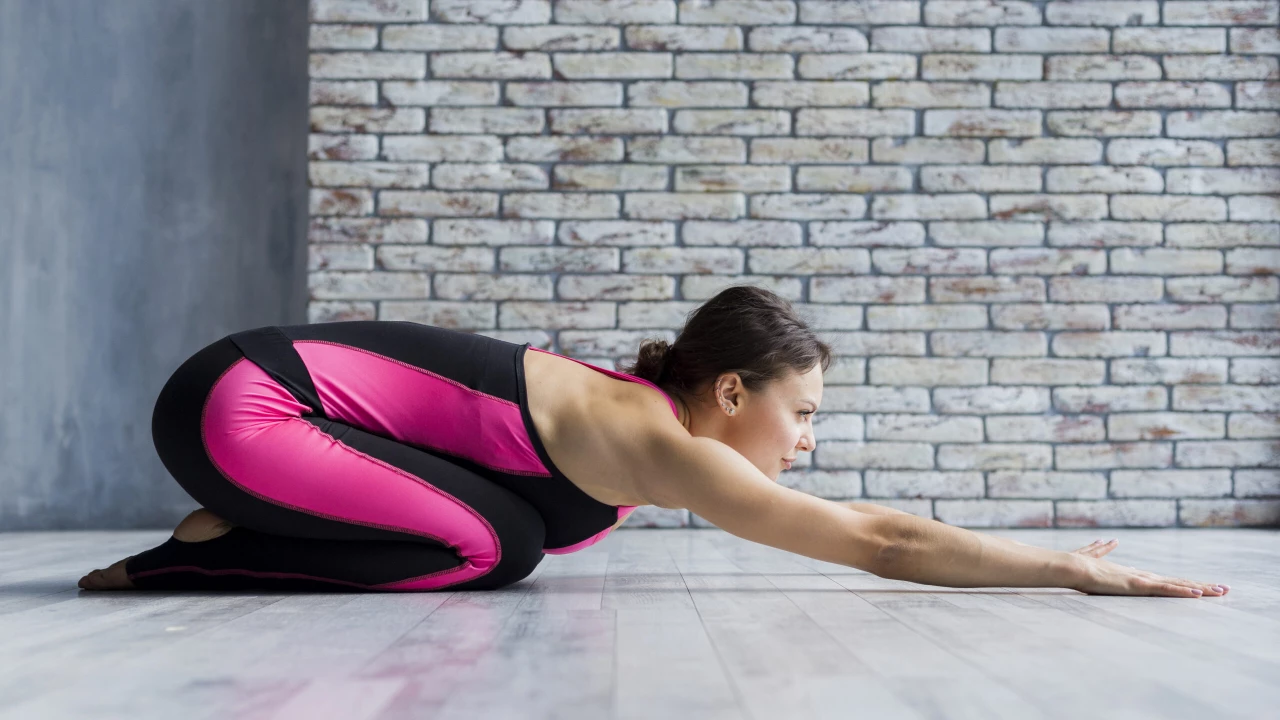
Athletes push their bodies to the limit, demanding high performance in their respective sports. But with intense training comes the need for recovery. Yoga is an excellent practice for athletes to enhance flexibility, strength, and mental focus, as well as to speed up recovery after intense workouts or competitions. Incorporating these five yoga poses into your routine can help improve overall performance, prevent injuries, and facilitate quicker recovery. Whether you’re a runner, weightlifter, or cyclist, these yoga poses are beneficial for all athletes.
1. Downward-Facing Dog (Adho Mukha Svanasana)
Why It Works:
Downward-Facing Dog is a powerful stretch that engages the entire body, making it perfect for athletes. This pose works on the shoulders, arms, hamstrings, calves, and spine. It increases circulation, reduces tension in tight muscles, and helps improve flexibility. This pose also improves the strength and stability of the arms and legs, which is essential for athletes in most sports.
How to Do It:
- Start in a tabletop position, with your hands directly under your shoulders and knees under your hips.
- Tuck your toes, lift your hips, and straighten your legs as you press your heels towards the floor.
- Keep your arms straight, shoulder-width apart, and your feet hip-width apart.
- Hold the position for 30 seconds to 1 minute, focusing on deep breaths and relaxing your neck.
Benefits:
This pose stretches the hamstrings and calves, opens the chest, strengthens the arms, and increases mobility in the spine. It’s a great all-around stretch for athletes and helps reduce tightness in the body.
2. Pigeon Pose (Eka Pada Rajakapotasana)
Why It Works:
Pigeon Pose is a deep hip opener that targets the hip flexors, glutes, and lower back. Athletes often experience tightness in these areas due to repetitive movement patterns or intense training. This pose helps release tension and improve flexibility in the hips, which is crucial for athletic performance, especially for sports that require quick direction changes, running, or cycling.
How to Do It:
- Start in a tabletop position.
- Bring your right knee forward and place it behind your right wrist while extending your left leg straight back.
- Lower your hips towards the mat, keeping your back leg extended and your hips square.
- Reach forward with your hands or rest your forearms on the mat for a deeper stretch.
- Hold for 30 seconds to 1 minute on each side.
Benefits:
This pose stretches the hip flexors, glutes, and lower back, helping release tension from sitting or repetitive motion activities. It also improves flexibility in the hips, increasing mobility and range of motion, which is crucial for athletes.
3. Warrior II (Virabhadrasana II)
Why It Works:
Warrior II is a strong, standing pose that targets the legs, hips, and shoulders. It builds strength and endurance in the lower body while promoting stability and balance. This pose helps athletes develop the leg strength needed for explosive movements, agility, and endurance. Additionally, Warrior II encourages a focused and strong mindset, which is essential for athletic performance.
How to Do It:
- Start by standing with your feet wide apart, about 3-4 feet.
- Turn your right foot out 90 degrees, and bend your right knee to 90 degrees, ensuring that your knee is directly above your ankle.
- Extend your arms straight out to the sides, keeping your shoulders relaxed.
- Look over your right hand and hold the pose for 30 seconds to 1 minute, then switch sides.
Benefits:
This pose strengthens the legs, glutes, and core while opening the hips and chest. It enhances endurance, balance, and concentration, making it ideal for athletes who need both physical and mental strength.
4. Bridge Pose (Setu Bandhasana)
Why It Works:
Bridge Pose is excellent for strengthening the back, glutes, and core, which are essential for athletic performance and injury prevention. It also opens the chest and shoulders, helping to counteract the forward hunch that often develops in athletes from running, cycling, or weightlifting. This pose is also great for releasing lower back tension and improving spinal alignment.
How to Do It:
- Lie on your back with your knees bent and feet flat on the mat, hip-width apart.
- Press your feet into the floor and lift your hips toward the ceiling.
- Engage your glutes and core as you lift your hips, keeping your thighs parallel.
- Clasp your hands under your back and hold the pose for 30 seconds to 1 minute, then slowly lower your hips.
Benefits:
Bridge Pose strengthens the glutes, hamstrings, and lower back while stretching the chest and spine. It’s also excellent for relieving tension in the lower back and promoting better posture and alignment, which are vital for overall athletic performance.
5. Legs Up the Wall Pose (Viparita Karani)
Why It Works:
Legs Up the Wall is a restorative pose that helps athletes recover after a workout. This gentle inversion promotes blood flow back to the upper body and heart, reducing muscle soreness and inflammation in the legs. It’s also a great pose for calming the nervous system, reducing stress, and aiding in recovery, especially after intense physical exertion.
How to Do It:
- Sit next to a wall and lie back, extending your legs up the wall.
- Keep your arms relaxed by your sides, palms facing upward.
- Close your eyes and take deep breaths, allowing your body to relax completely.
- Stay in the pose for 5-10 minutes, breathing deeply and focusing on releasing any tension.
Benefits:
This pose improves circulation, relieves tension in the legs, and promotes relaxation. It’s perfect for post-workout recovery, as it helps reduce swelling, muscle soreness, and mental fatigue. It also calms the mind and body, making it an excellent tool for stress reduction.
Conclusion
Yoga is an effective way for athletes to enhance their performance, prevent injuries, and speed up recovery. By incorporating these five poses—Downward-Facing Dog, Pigeon Pose, Warrior II, Bridge Pose, and Legs Up the Wall—into your routine, you can build strength, flexibility, and balance while also promoting relaxation and recovery. These poses offer a holistic approach to athletic conditioning, addressing both the physical and mental aspects of performance.










Leave a Comment