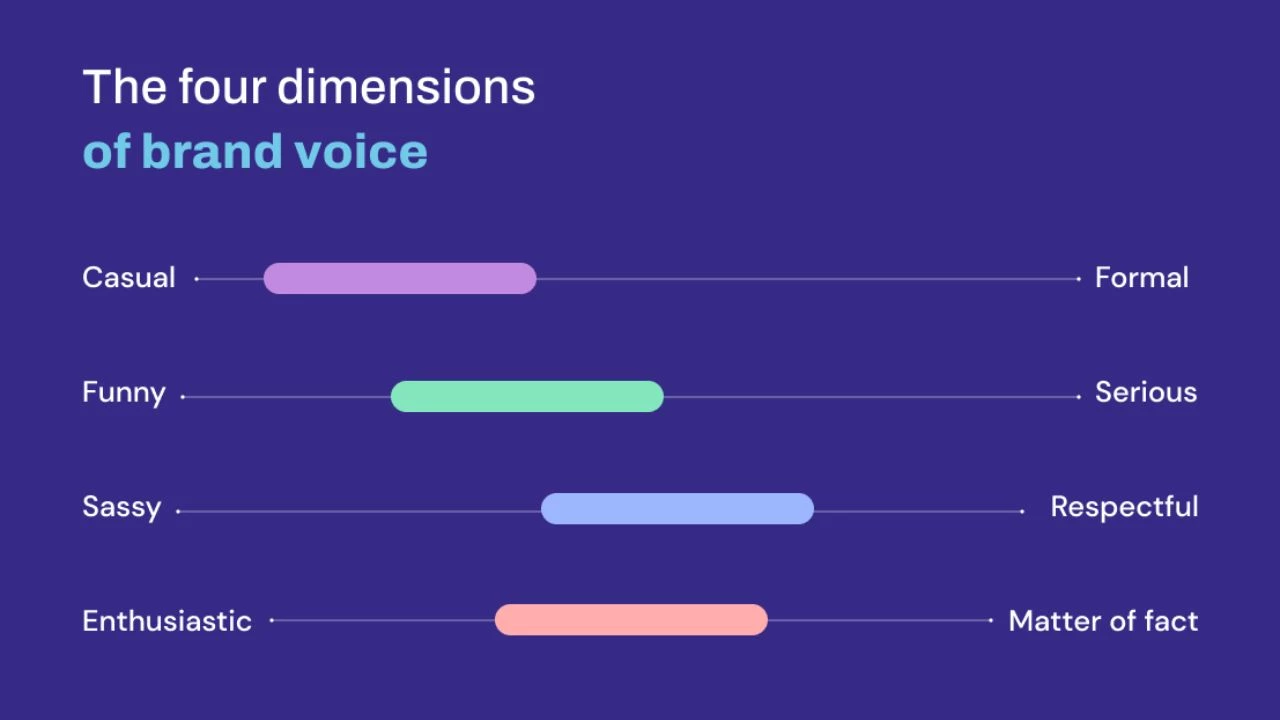
Most people use “brand voice” and “brand personality” as if they mean the same thing. In reality, they serve different roles in communication. Understanding the difference helps you write clearer copy, maintain consistency, and build a brand that feels intentional rather than accidental. This guide breaks down both concepts with examples and practical ways to apply them.
Why Understanding the Difference Matters
Brand language becomes more effective when you know exactly what each component does. Voice sets the style of communication, while personality shapes the character behind that style. When brands mix them up, messaging feels inconsistent or unclear.
What Brand Personality Means
Brand personality represents the human-like traits your brand expresses. It answers the question: What kind of character would this brand be if it were a person?
Traits That Shape Brand Personality
Brand personality is built on qualities such as:
- Warm or authoritative
- Playful or serious
- Minimalist or expressive
- Bold or reserved
These traits influence the energy and attitude of all communication, even before specific words are chosen.
How Brand Personality Is Used
A well-defined personality guides creative decisions, design choices, tone, and the emotional direction of messaging. It influences how audiences perceive your brand and whether they feel connected to it.
Example of Brand Personality
Imagine a skincare brand that chooses traits like gentle, calming, and caring. These traits will appear across packaging, visuals, and messaging—not just in individual word choices.
What Brand Voice Means
Brand voice is the consistent way your brand uses language. It includes your preferred style, vocabulary, and communication patterns.
Elements of Brand Voice
Voice is defined by:
- Sentence structure
- Vocabulary choices
- Level of formality
- Rhythm and flow
- The way information is organized
Voice remains stable across platforms, even if tone shifts depending on context.
How Brand Voice Is Used
Brand voice guides actual word selection and writing style. It makes your content recognizable, whether it appears on social media, in emails, or on a product page.
Example of Brand Voice
Using the same skincare brand example: If the personality is gentle and caring, the voice might use soft phrasing, sensory language, and reassuring guidance. Sentences may be slower, more descriptive, and less directive.
Key Differences Between Brand Voice and Brand Personality
Both concepts work together, but they serve distinct purposes.
Voice Is Style, Personality Is Character
Voice reflects how the brand speaks. Personality reflects who the brand is.
Voice Stays Consistent, Tone Shifts
Tone may change based on the situation—announcement, apology, celebration—while brand voice remains stable. Personality remains the emotional foundation behind those tone shifts.
Personality Influences Voice, Not the Other Way Around
Personality is foundational. Once traits are defined, they guide the creation of a voice that aligns with them.
How Brand Voice and Personality Work Together
Both must be aligned for communication to feel natural.
Step 1: Define Core Traits
List three to five personality traits that capture your brand’s essence.
Example: optimistic, modern, practical.
Step 2: Translate Traits Into Voice Rules
Convert traits into language guidelines.
Example:
Optimistic → energetic verbs, forward-focused language
Modern → minimal jargon, clean structure
Practical → clear explanations, benefit-led phrasing
Step 3: Ensure Consistency Across Channels
Whether writing product copy or campaign messaging, the voice should reflect the personality at every touchpoint.
Common Mistakes Brands Make
- Creating a voice without defining personality first
- Using traits that contradict each other
- Applying personality only in visuals, not in language
- Letting different teams interpret the voice differently
- Changing voice too frequently, causing inconsistency
Avoiding these mistakes helps maintain a coherent identity across your brand ecosystem.
How to Clarify Your Own Brand Voice and Personality
If your brand language feels scattered, start with these steps.
Conduct an Audit
Review existing content to find inconsistencies in tone, vocabulary, and messaging style.
Identify Audience Expectations
Choose traits and voice rules that resonate with what your customers value most.
Build a Simple Guide
Create a voice-and-personality reference with examples of:
- Do and don’t statements
- Sample phrases
- Revised lines of copy
- Tone variations for different contexts
Test in Real Communication
Apply your refined voice in newsletters, product descriptions, and website copy to ensure it works across formats.
Comparison Table
| Aspect | Brand Personality | Brand Voice |
|---|---|---|
| Definition | Human-like traits that define the brand | Consistent use of language style and tone |
| Focus | Character and emotion | Communication mechanics |
| Stability | Can evolve over time | Should remain consistent |
| Influence | Guides how the voice is shaped | Reflects personality traits |
Impact / What Readers Should Do
Understanding the distinctions between brand voice and brand personality empowers marketers and content creators to communicate effectively. Brands should take the time to define each element clearly. Whether you are a small business owner or part of a large marketing team, these insights can lead to more consistent and impactful messaging.
The Takeaway
Brand personality defines who you are. Brand voice defines how you sound. When both are aligned and clear, your communication becomes consistent, memorable, and trustworthy. A strong foundation in these two elements helps every writer, designer, and marketer create content that feels unmistakably yours.












Leave a Comment