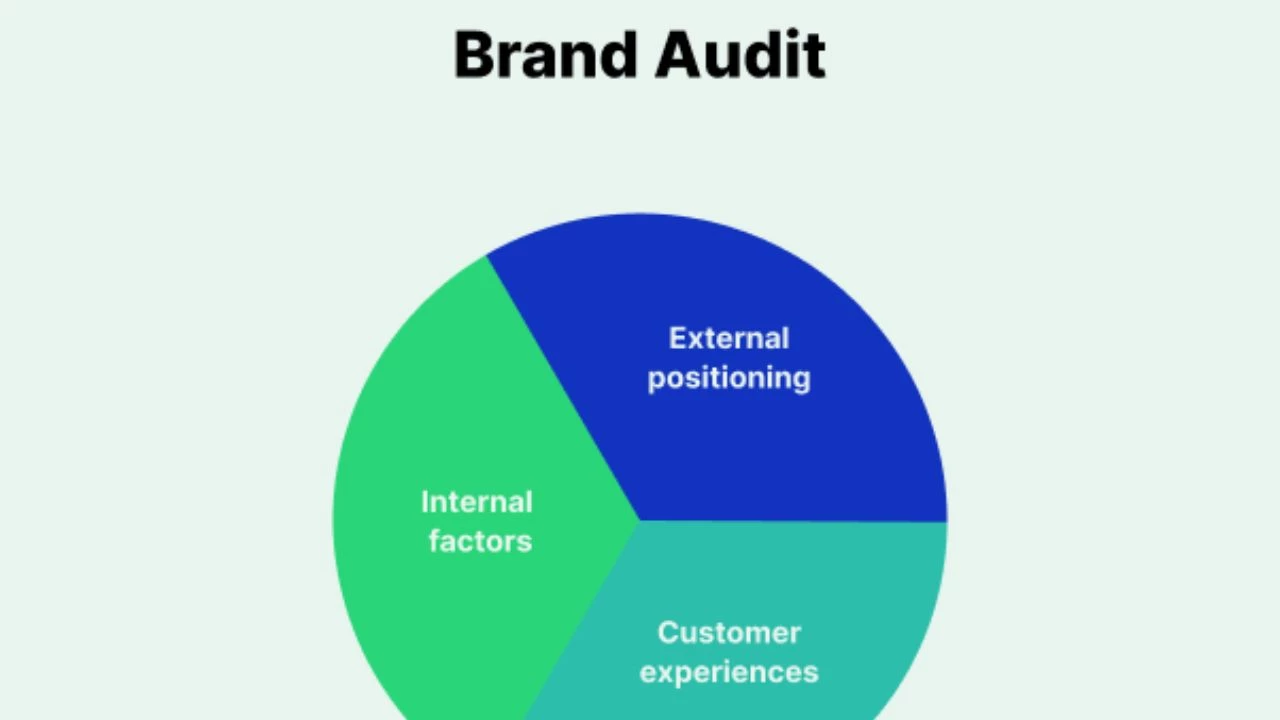
Strong brand copy is built on clarity, intention, and repetition of the right ideas. But even well-defined brands often drift over time—tone shifts across channels, product descriptions evolve unevenly, and teams adopt different messaging styles. A brand copy audit helps you identify these inconsistencies and bring everything back to a unified voice. This guide explains how to review your copy step by step and strengthen your overall communication.
Why a Brand Copy Audit Matters
Inconsistent language can make a brand feel unreliable or confusing. When tone, messaging, or terminology changes from page to page, readers lose confidence in what the brand stands for. A structured audit ensures that every touchpoint supports the same personality, values, and promises.
A consistent voice helps:
- Build trust with readers
- Increase recognition across channels
- Strengthen emotional connection
- Improve clarity in product and service descriptions
- Support a coherent customer journey
What to Review Before Starting Your Audit
Gathering the right materials makes the process more accurate and efficient.
Brand Style Guide
If you already have a voice guide, tone principles, or key messaging pillars, keep them in front of you. These serve as the standard for comparison.
Website Copy
Include homepage, landing pages, product pages, blog posts, and FAQ sections.
Email and Newsletter Copy
Review promotional emails, onboarding sequences, and support communications.
Social Media Captions
Social tone often drifts the fastest, so this is a crucial piece of the audit.
Paid Ads and Marketing Materials
Ad copy reveals how your brand sounds when communicating under pressure and limited space.
Internal Documents
Presentation decks, proposals, and service descriptions also show how consistently teams apply brand voice.
Steps to Audit Your Brand Copy for Consistency
Step 1: Check Voice and Tone Alignment
Look for mismatched tones—formal on one page, playful on another, overly academic in emails, casual on social media. Identify which tone matches your brand identity and where deviations occur.
Key questions:
- Does the tone reflect the brand’s values?
- Does the tone shift too drastically between channels?
- Are emotional cues consistent?
Step 2: Review Key Messaging and Core Statements
A strong brand repeats its value propositions in clear, recognizable language. Look for differences in how your benefits, mission, or core ideas are described.
Questions to assess:
- Are value propositions communicated the same way everywhere?
- Are taglines, headlines, and product benefits aligned?
- Are any messages outdated or no longer relevant?
Step 3: Examine Vocabulary and Terminology
Terminology must remain consistent. Switching terms confuses readers and dilutes meaning.
Examples of inconsistency:
- Using “clients” in some places and “customers” in others
- Switching between British and American English
- Changing product feature names across pages
Aim to choose one version and apply it everywhere.
Step 4: Evaluate Clarity and Readability
Even well-written copy becomes ineffective if it is hard to understand.
Check for:
- Overly long sentences
- Unnecessary jargon
- Repetitive phrases
- Low readability scores
- Missing context or unclear instructions
Clear copy builds trust and improves the user experience.
Step 5: Identify Tone Drift in Emotional Framing
Look for changes in how you express empathy, urgency, excitement, or reassurance. Tone drift often appears during new product launches or seasonal campaigns.
Ask yourself:
- Does emotional tone match audience expectations?
- Does it reflect the same personality across all content?
Step 6: Review Formatting and Structural Consistency
Formatting also affects brand perception. Check for consistency in:
- Heading styles
- Paragraph length
- Bullet formatting
- CTA placement and style
- Spacing and punctuation norms
A brand that looks consistent feels consistent.
Step 7: Compare All Findings Against Your Brand Guide
Bring your observations together and compare them with your voice and messaging guidelines. If guidelines are missing, unclear, or outdated, this audit will help you rewrite them with precision.
Tools That Help You Run a More Accurate Audit
Several tools can strengthen your assessment and speed up the process.
Readability Tools
Grammarly, Hemingway Editor, or Readable highlight clarity issues and long sentences.
Voice Consistency Tools
Linguix, Writer.com, and Grammarly Business can help evaluate writing consistency across teams.
Content Inventory Tools
Screaming Frog or site crawlers help you gather all published web pages to audit efficiently.
Documentation Tools
Notion, Confluence, or Google Sheets help you track issues, categorize findings, and assign updates.
How Often Should You Audit Brand Copy?
Most brands benefit from a quarterly audit. If your content output is high or your brand is evolving quickly, auditing every two months helps maintain accuracy and relevance. A yearly deep audit is also useful for large-scale messaging refinements.
Common Mistakes to Avoid During a Copy Audit
- Focusing only on the website and ignoring emails or ads
- Updating tone in one place but not others
- Over-correcting and removing personality from the brand
- Copying competitor tone instead of reinforcing your own
- Failing to update the brand guide after making changes
Avoiding these mistakes ensures your audit leads to sustainable improvements.
The Impact of a Brand Copy Audit
Implementing a brand copy audit helps stabilize your brand’s messaging and restores reader confidence. As marketing consultant Sarah Thompson states, “Consistency in communication fosters trust, which is the foundation of a loyal customer base.” Inconsistent branding can lead to a drop in engagement, while a cohesive voice can significantly improve customer relationships and drive sales.
| Metric | Before Audit | After Audit |
|---|---|---|
| Customer Trust Level | 65% | 85% |
| Conversion Rate | 2.5% | 4.1% |
| Brand Recognition | 70% | 90% |
Ultimately, a brand copy audit is not just a routine task; it’s a necessary strategy for ensuring your brand remains vibrant and trustworthy in the eyes of the consumer.











Leave a Comment