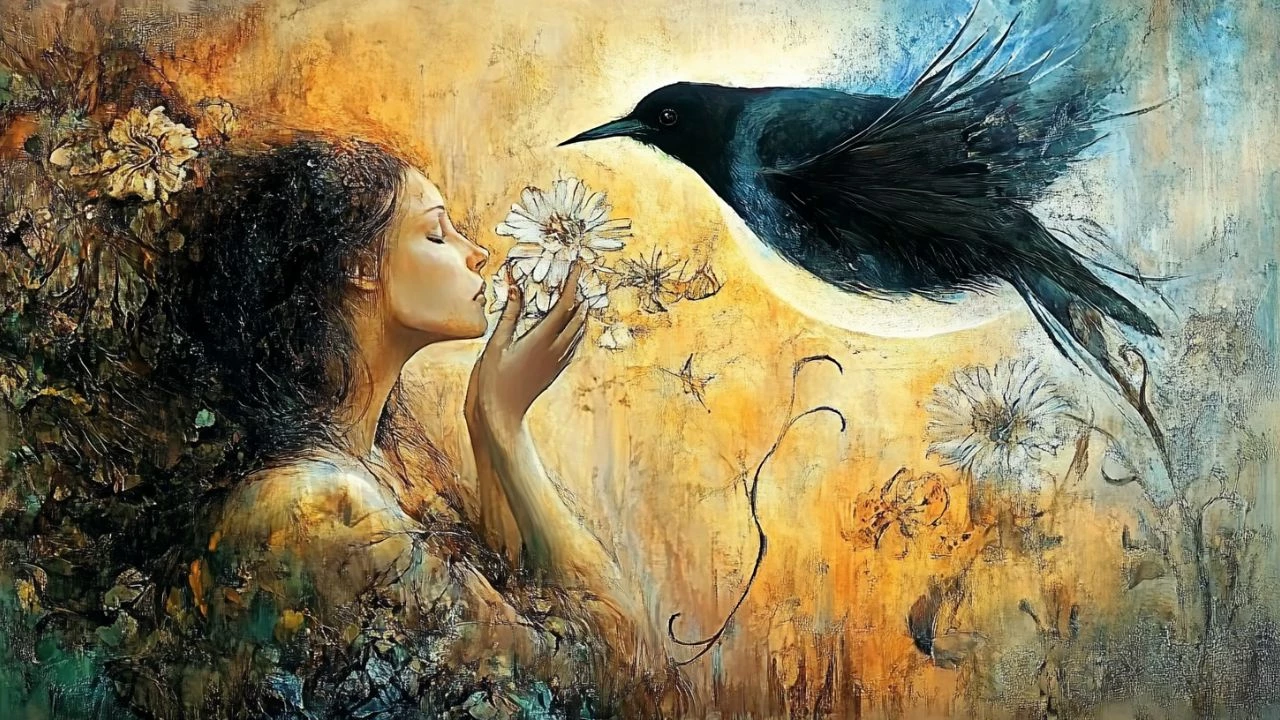
Poetry often becomes powerful not through direct statements, but through images, comparisons, and layers of meaning that allow readers to feel more than what is written on the page. Metaphor and symbolism are two of the most effective tools for giving poems emotional depth and resonance. This guide explains how they work, why poets use them, and how you can apply them with clarity and intention.
What Makes Metaphor and Symbolism Essential in Poetry
Metaphor and symbolism help poets say complex things simply. They allow a poem to speak on two levels at once: the literal and the emotional. These devices encourage readers to participate in making meaning, creating a more immersive experience.
Metaphor highlights connections between unlike things, while symbolism transforms an object or image into something larger than itself. Together, they help poems feel layered, textured, and memorable.
Understanding Metaphor in Poetry
A metaphor compares two things without using “like” or “as.” Instead of explaining a feeling, a poet shows it through another image.
Why Metaphors Work So Well
- They create vivid imagery.
- They express emotions indirectly, often more powerfully.
- They make abstract ideas concrete.
- They invite readers to think, interpret, and feel.
Types of Metaphors Poets Commonly Use
Direct Metaphor
A clear comparison:
“Her voice was a warm blanket.”
Implied Metaphor
Hints at the comparison without stating it directly:
“He melted under her words.”
Extended Metaphor
A comparison carried across several lines or an entire poem.
Mixed Metaphor
Blends two metaphors—often intentionally—to create tension or complexity.
Understanding Symbolism in Poetry
Symbolism uses objects, settings, or images to represent ideas or emotions. These symbols may be universal or personal to the poet.
Why Symbolism Strengthens a Poem
- It adds layers of meaning.
- It helps readers connect emotionally.
- It transforms ordinary details into something meaningful.
- It gives poems a sense of continuity and focus.
Types of Symbolism
Universal Symbols
Commonly shared meanings, such as a dove symbolizing peace.
Cultural Symbols
Symbols tied to a particular society or tradition.
Personal Symbols
Images or objects that carry unique meaning for the poet.
How to Choose the Right Metaphor or Symbol
Choosing effective imagery requires intention.
Align It With the Poem’s Emotion
A metaphor should capture the emotional truth of the moment.
If a poem explores longing, images of distance or thresholds may work naturally.
Keep It Rooted in Concrete Detail
Readers respond best to images they can visualize.
Abstract metaphors weaken the impact.
Avoid Overused Comparisons
Fresh imagery keeps poems alive. Instead of “heart of stone,” explore an image that feels more specific and personal.
Match the Tone and Style of the Poem
A playful poem may call for whimsical metaphors; a somber one may require subtle, grounded symbolism.
Techniques for Using Metaphor and Symbolism Effectively
Blend the Literal and Figurative
The strongest poems allow readers to experience both the physical object and its emotional meaning.
Let Symbols Build Over the Poem
Repetition strengthens symbolic meaning.
A recurring image—like water or keys—can create rhythm and thematic unity.
Use Metaphors to Reveal, Not Hide
A metaphor should simplify emotional truth, not confuse it.
If it feels forced, complicated, or overly abstract, refine it.
Allow Space for Interpretation
Poetry thrives when readers participate in meaning-making.
Leave room for openness rather than spelling everything out.
Examples of Effective Use in Poetry
Metaphor Example
“Time is a thief”
A simple line that immediately captures the emotion of loss.
Symbolism Example
A “closed window”
Could represent isolation, missed opportunities, or emotional boundaries depending on context.
Combined Example
A poem describing a garden dying in winter may symbolize grief, aging, or the end of a relationship, while metaphors within the scene deepen the emotional impact.
Common Mistakes Poets Make
- Relying on clichés
- Using symbols without emotional relevance
- Forcing metaphors that don’t fit the tone
- Overloading a short poem with too many images
- Writing metaphors that are too abstract to visualize
Avoiding these ensures your imagery feels intentional and meaningful.
How to Practice Metaphor and Symbolism
Keep a Personal Image Journal
Record images, objects, and sensory details from daily life. These often become the roots of strong metaphors.
Rewrite a Poem Using a New Symbolic Framework
Changing the central symbol can transform the poem’s emotional tone.
Read Contemporary Poets
Studying how others use imagery helps you expand your own creative range.
The Takeaway
Metaphor and symbolism are not just poetic devices—they are lenses through which readers experience emotion, movement, and meaning. When used with care and clarity, they turn simple language into unforgettable art. Explore them, experiment with them, and let them guide your poems toward deeper expression.
| Type | Description |
|---|---|
| Metaphor | Comparison of two unlike things without using “like” or “as.” |
| Symbolism | Use of images to represent larger ideas or themes. |
| Direct Metaphor | Clear and explicit comparison. |
| Implied Metaphor | Comparison not stated directly but suggested. |
| Universal Symbols | Common meanings recognized across cultures. |
| Personal Symbols | Unique symbols specific to the poet’s experiences. |










Leave a Comment