Yoga is more than just a practice for flexibility and relaxation; it’s an excellent tool for improving your lung health and breathing. By incorporating specific breathing-focused yoga techniques, you can strengthen your lungs, enhance oxygen intake, and improve your overall well-being. Research has shown that regular yoga practice, especially pranayama (yogic breath control), can significantly boost lung capacity and improve respiratory efficiency. In this article, we’ll explore five simple yoga poses and breathing techniques that can help improve your breathing and support lung health.
Why Yoga Helps Enhance Your Breathing
Yoga helps enhance your breathing through its emphasis on pranayama, a powerful practice of controlled breathing. Pranayama, derived from the Sanskrit words “prana” (life force) and “ayama” (expansion or control), encourages mindful breathing that enhances lung function and boosts oxygen absorption. Scientific research indicates that regular practice of pranayama can increase lung capacity, improve forced expiratory volume, and enhance oxygen exchange in the body. By training your breath to be deeper and more controlled, you can significantly improve your lung health and overall vitality.
How Breathing-Focused Yoga Benefits Your Lungs
Regularly practicing yoga with a focus on controlled breathing leads to measurable improvements in lung function. Studies show that yoga can enhance vital lung functions like vital capacity (the maximum air you can expel after a deep inhale), forced expiratory volume (FEV1), and peak expiratory flow rate (PEFR). These improvements can lead to better oxygen intake, which supports brain function, physical endurance, immunity, and energy levels. With consistent practice, the benefits of breathing-focused yoga are evident, especially for those looking to improve lung function and respiratory strength.
1. Alternate Nostril Breathing (Anuloma Viloma)
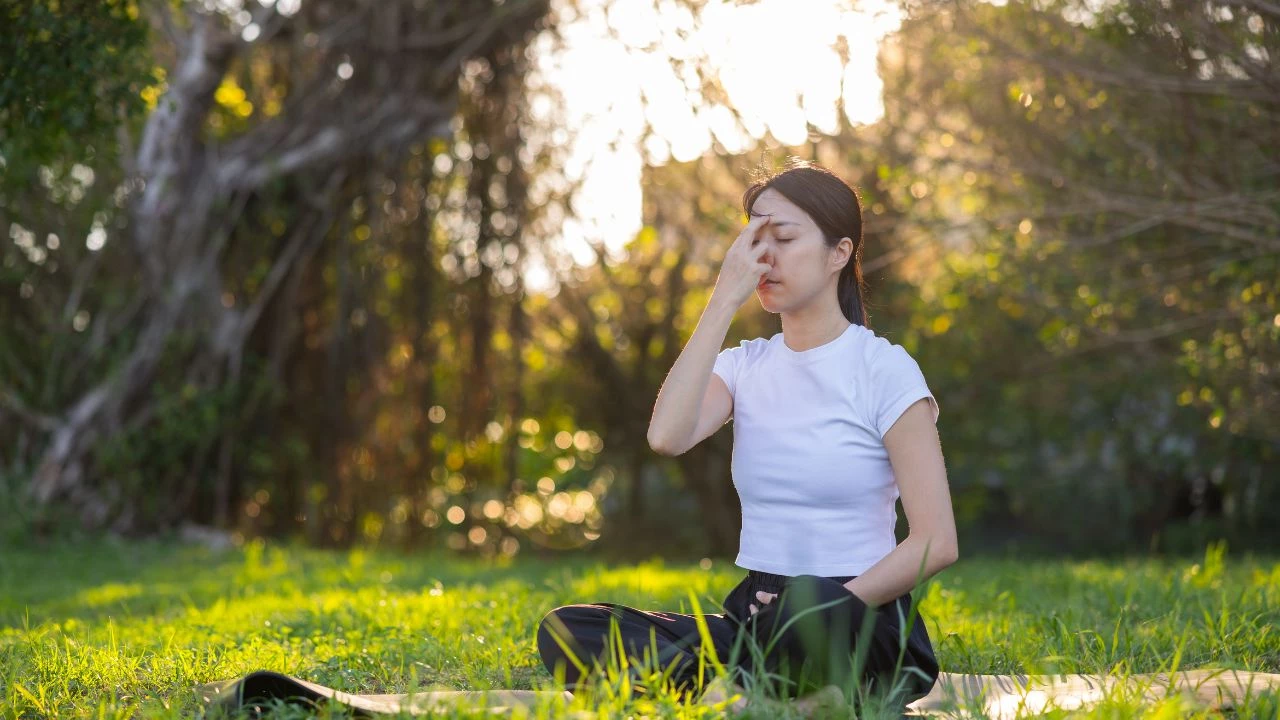
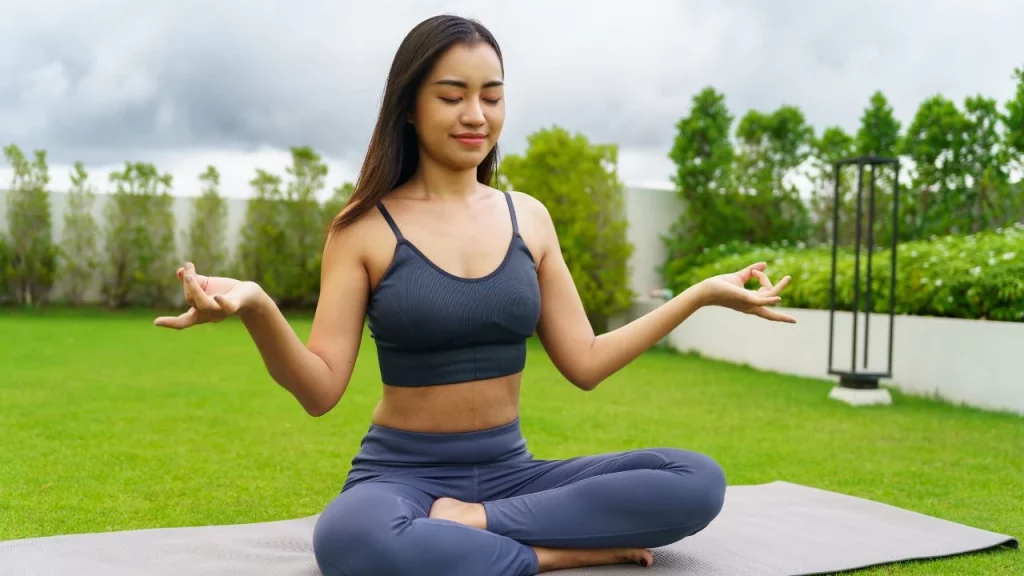
One of the easiest breathing exercises to get started with is Alternate Nostril Breathing, or Anuloma Viloma. This practice involves breathing through one nostril at a time while using your fingers to block the opposite nostril. To begin, sit in a comfortable position with your spine straight. Close your right nostril with your right thumb, inhale slowly through the left nostril, and then close the left nostril with your right ring finger. Exhale through the right nostril. After completing one cycle, switch sides: inhale through the right nostril, close it with the thumb, and exhale through the left nostril. Repeat for 5–10 cycles. This practice helps regulate the flow of oxygen, reduces stress, and improves overall lung function by balancing the breath.
2. Three-Part Breath (Dirga Pranayama)
Three-Part Breath, or Dirga Pranayama, is a fantastic technique for improving lung capacity. This technique involves breathing deeply into the belly, ribs, and chest in a coordinated manner. Begin by sitting comfortably and taking a deep breath into your belly, allowing it to expand. Next, fill your ribs with air, followed by your chest. Exhale slowly in the reverse order: chest, ribs, and then belly. This three-part breath stretches the diaphragm, helps open the lungs, and promotes better oxygen exchange. Practicing 8–10 cycles of Three-Part Breath will gradually increase your lung capacity and improve your overall breathing efficiency.
3. Ujjayi Breath (Victorious Breath)
Ujjayi Breath, often referred to as Victorious Breath, involves constricting the back of the throat slightly as you inhale and exhale through the nose, creating a soft “ocean wave” sound. This technique helps regulate the flow of air, making it smoother and slower, which increases airflow resistance and strengthens the respiratory muscles. Ujjayi is commonly practiced during yoga asanas to help deepen the breath and maintain focus. It is particularly beneficial for clearing the airways and improving overall lung function. Ujjayi Breath also helps with mental clarity and resilience, providing both physical and psychological benefits.
4. Kapalabhati (Cleansing Breath)
Kapalabhati, or Cleansing Breath, is a more dynamic and powerful breathwork practice. It involves forceful exhalations through the nostrils while allowing the inhalations to occur passively. To practice, sit comfortably and take a deep breath in. Then, exhale forcefully through the nose, contracting your abdominal muscles with each breath. A single round consists of 10–15 forceful exhalations, followed by a gentle inhale. This technique clears the lungs and airways, improves respiratory function, and strengthens the diaphragm and abdominal muscles. If you’re new to this practice or have respiratory conditions, it’s best to start slowly and gradually increase your rounds.
5. Simple Yoga Poses Combined with Deep Breathing
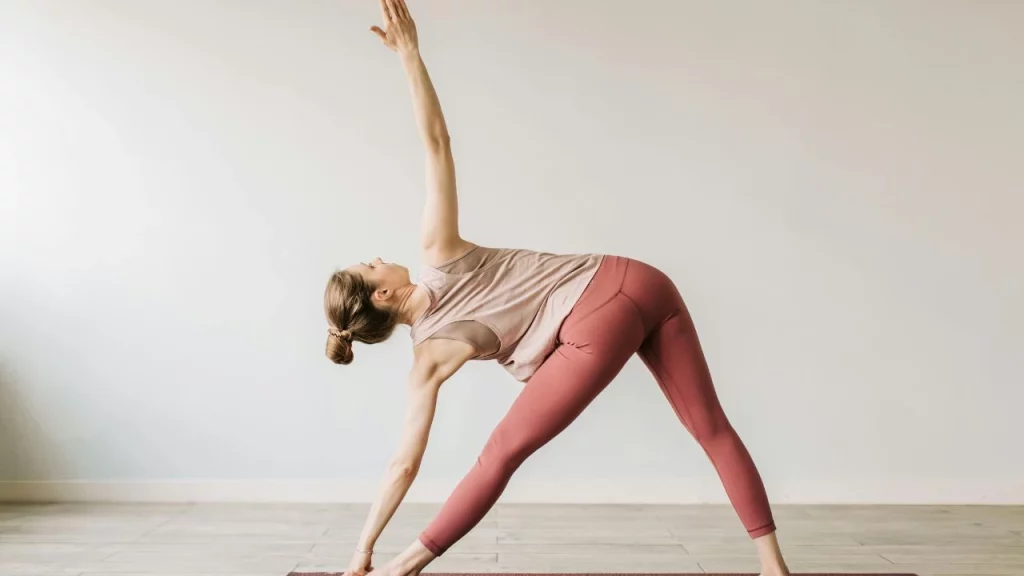
Incorporating simple yoga poses with deep breathing can significantly enhance your lung capacity. Poses that open the chest and expand the ribcage are particularly effective. Gentle backbends like the Cobra Pose (Bhujangasana) or the Chest Opening Pose (Anahatasana) combined with deep, conscious breathing help to stretch and expand the lungs, promoting better airflow. You can also practice seated stretches with an elongated spine to encourage deep inhalations. This combination of light yoga asanas with pranayama techniques encourages better oxygen flow and opens the chest, which can improve respiratory health over time.
Tips for Safe and Effective Breathing Practice
To get the most out of your breathing-focused yoga practice, follow these guidelines:
- Always practice in a well-ventilated room or outdoors when possible to ensure fresh air.
- Focus on maintaining good posture throughout each session. A straight spine allows for full lung expansion.
- Start slowly, especially if you are new to yoga. Practicing for 5–10 minutes daily is more beneficial than long, irregular sessions.
- If you have any pre-existing lung or heart conditions, consult a healthcare provider before attempting advanced pranayama practices like Kapalabhati.
- Consistency is key. Over time, the benefits of regular practice will become more apparent.
How Soon Can You Expect Benefits?
Research shows that improvements in lung function and respiratory endurance can be noticeable within 6 to 12 weeks of consistent yoga practice. Many practitioners report a deeper, more relaxed breath, improved physical endurance, reduced breathlessness during exercise, and enhanced mental clarity. For those who are sedentary or exposed to environmental pollution, these benefits can be especially significant.
| Practice | Expected Benefits | Timeframe |
|---|---|---|
| Yoga Practice | Improved lung function, reduced stress | 6 to 12 weeks |
| Breath Control (Pranayama) | Increased lung capacity, better oxygen exchange | Immediate improvement in sessions |
| Consistent Practice | Long-term respiratory health | Ongoing with regular practice |






Leave a Comment