Good sleep is one of the best gifts you can give your body. But many people struggle with it today. Some toss and turn for hours. Some wake up in the middle of the night with a busy mind. Others cannot relax because of stress, screen time, or constant thinking. When the mind stays active, the body finds it hard to settle down. Yoga can help a lot with this. It calms your nervous system, relaxes your muscles, and slows down your breath. All of these make sleep easier and deeper. You also start releasing tension that you carry from the day. Even a few minutes of gentle yoga can shift your body into a restful state. In this blog, you will learn four simple poses that help you sleep better every night. These poses are soft, slow, and beginner friendly. They prepare your body and mind for rest naturally.
Why Yoga Helps with Sleep
Sleep problems often come from stress and muscle tension. When you worry, your breath becomes shallow. Your body stays alert. Yoga fixes this by activating your relaxation response. Slow movements and breathing send calming signals to your brain. Your heart rate drops. Your mind becomes quieter. Yoga also stretches areas that hold stress, like your shoulders, neck, and lower back. When these muscles relax, your whole body feels lighter. This makes it easier to fall asleep. The more often you practice, the better your sleep quality becomes. Yoga helps you wake up fresher and with more energy.
Pose 1: Legs Up the Wall
This is one of the best poses for sleep. It relaxes your legs, slows your heart rate, and calms your mind. It also helps reduce swelling and fatigue in your lower body.
How to Practice It
Sit close to a wall. Lie down slowly. Lift your legs up and rest them on the wall. Make sure your hips stay close to the wall. Keep your arms beside your body. Close your eyes. Take slow breaths. Stay here for five to ten minutes. You can place a pillow under your hips if you want more comfort.
Why It Helps
This pose improves blood circulation. It helps your body shift from alert mode to rest mode. Your mind becomes quieter because your breath slows down naturally. This pose also helps release tiredness from your legs. Many people feel sleepier within minutes. It is perfect to practice before bedtime or after a long day.
Pose 2: Forward Fold
Forward Fold helps relax your entire nervous system. It stretches your spine and hamstrings. It also brings your head down, which helps your thoughts slow down.
How to Practice It
Stand with your feet slightly apart. Bend your knees softly. Hinge from your hips. Slowly fold forward. Let your head hang freely. Hold your elbows if you want. Stay still or sway gently. Breathe slowly. Hold for thirty seconds to one minute.
Why It Helps
Forward bends calm your mind deeply. They help reduce mental noise that keeps you awake at night. The gentle stretch also releases tension in your back and legs. When your muscles soften, your mind feels more peaceful. This pose also helps reduce stress built up during the day. Doing it before bed can prepare your body for sleep in a very soothing way.
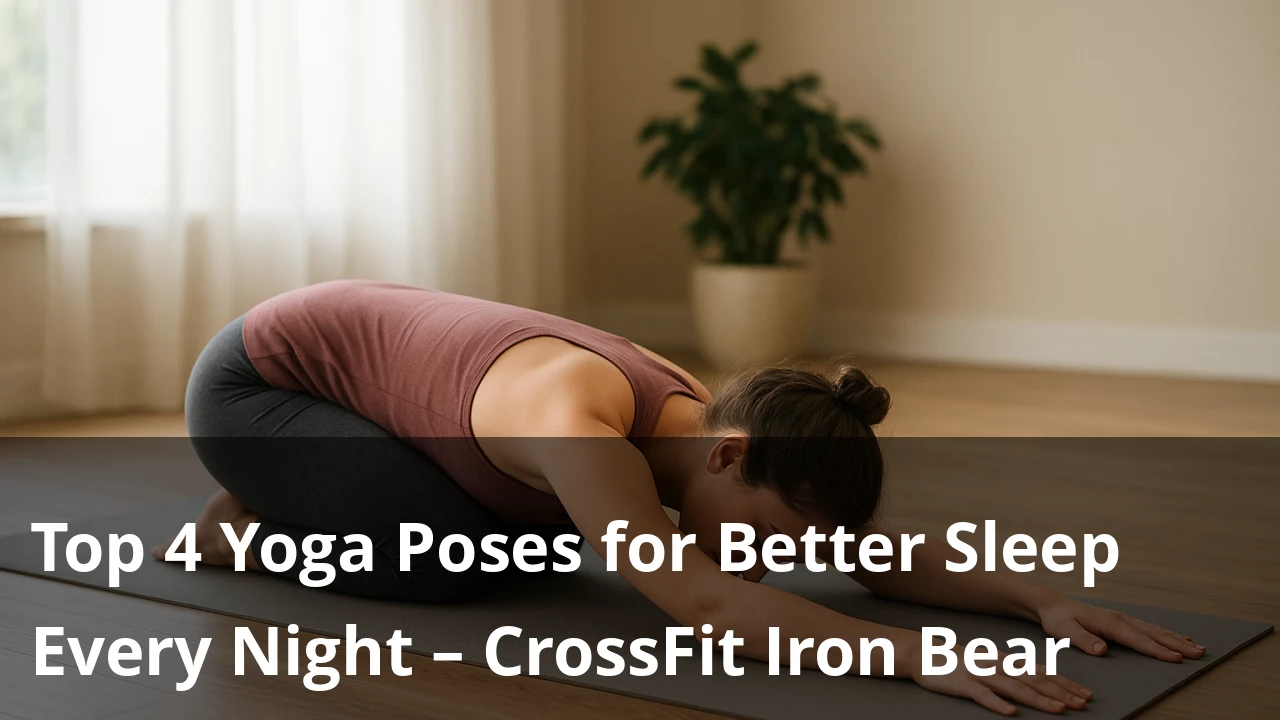
Pose 3: Child’s Pose
Child’s Pose creates a sense of safety and comfort. It relaxes your back, hips, and shoulders. These areas hold a lot of stress.
How to Practice It
Start on your knees. Bring your big toes together. Spread your knees wide or keep them close, whichever feels better. Sit back on your heels. Fold forward slowly. Rest your forehead on the floor or on a pillow. Stretch your arms forward or place them by your sides. Breathe deeply. Stay for one to three minutes.
Why It Helps
This pose helps your whole body feel supported. When your forehead touches the ground, your mind relaxes fast. It signals your nervous system to slow down. Child’s Pose also helps release pressure in the lower back. It creates a warm, relaxing feeling. This makes it easier to fall asleep with a calm mind.
Pose 4: Corpse Pose
Corpse Pose is the final relaxation pose in yoga. It teaches your body how to rest completely. It settles your breath and slows your thoughts.
How to Practice It
Lie on your back. Open your legs slightly. Let your feet fall naturally outward. Rest your arms by your sides with palms facing up. Close your eyes. Take long, slow breaths. Allow your body to sink into the floor. Stay for five to ten minutes.
Why It Helps
Corpse Pose helps your mind switch off. It reduces stress in your muscles. Your breath becomes soft and steady. This creates the perfect state for sleep. Many people use this pose when they cannot slow their thoughts. The stillness of the pose encourages deeper relaxation. It prepares you for a peaceful sleep.
How to Use These Poses as a Night Routine
You can practice these poses in a simple order. Start with Forward Fold. Then move into Child’s Pose. Follow with Legs Up the Wall. End with Corpse Pose. The whole routine takes ten to fifteen minutes. It helps your mind and body shift into rest mode naturally. You can also dim the lights, play soft music, or light a mild candle to make the environment more calming. Staying consistent helps your body learn that it is time to sleep.
Tips to Improve Your Sleep with Yoga
Breathe slowly during each pose. Try inhaling for four seconds and exhaling for six. Avoid screens at least twenty minutes before your routine. Do not rush through the poses. Let your body settle. Make your room cool and quiet. Use soft pillows or blocks if a pose feels uncomfortable. This makes yoga feel like a gentle bedtime ritual instead of a workout.
Signs Your Sleep Is Improving
You may fall asleep faster. You may wake up fewer times during the night. Your mind may feel calmer before bed. Your body may feel lighter in the morning. You may notice less stiffness or tension. Over time, these poses help build a healthier sleep cycle. Your body learns to relax more easily. Your mind becomes less restless.
| Pose | Benefits |
|---|---|
| Legs Up the Wall | Reduces fatigue, calms the mind |
| Forward Fold | Stretches spine and hamstrings, calms the nervous system |
| Child’s Pose | Releases stress in back, promotes a sense of security |
| Corpse Pose | Encourages complete relaxation and settles breath |






Leave a Comment