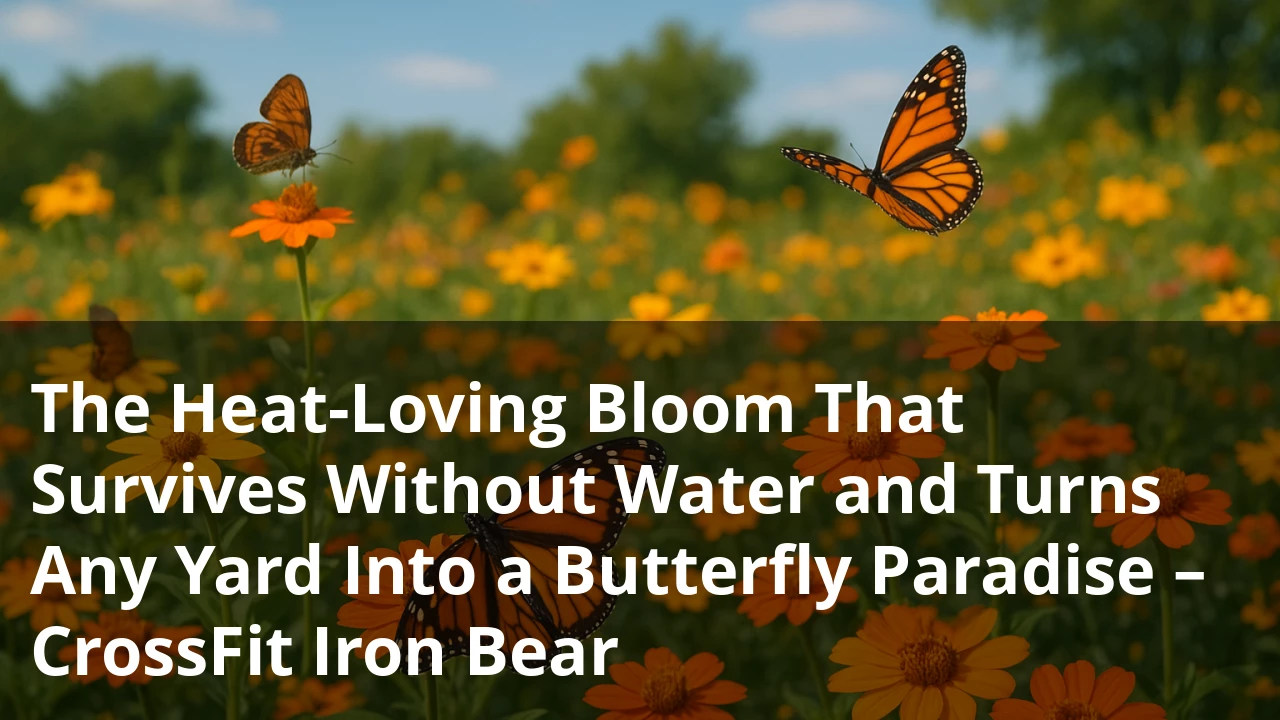
If your yard gets harsh sunlight and you struggle to keep anything alive, there’s one plant that refuses to die even in extreme heat. Gardeners love it because it grows with almost no water, blooms nonstop, and brings vibrant life to outdoor spaces that usually look dry or empty. This hardy plant is the Lantana, a colorful flowering shrub known for its toughness and bright clusters of blooms.
Why Lantana Is Perfect for Hot, Dry Areas
Lantana naturally grows in warm climates, which makes it ideal for any yard that gets strong sun throughout the day. Once established, it needs almost no watering and continues to flower in the hottest part of summer. Unlike delicate plants that wilt the moment they miss a watering day, Lantana stores moisture in its stems and adapts easily to harsh environments. This makes it a great low-maintenance choice for new gardeners or people who don’t have time for daily watering.
The Butterfly Attraction Secret
One of the reasons homeowners love planting Lantana is the way it pulls in butterflies. The plant’s bright flower clusters produce nectar that butterflies can easily reach. Different colors like yellow, orange, pink, and purple show up all season, creating an open buffet for butterflies and even hummingbirds. If you want your yard to feel alive with fluttering wings, planting a few Lantana bushes can turn the space into a natural pollinator garden.
How Lantana Adds Beauty to Any Yard
Even though it is drought-resistant, Lantana looks surprisingly lush. Its colorful flowers bloom in round clusters, and each cluster often blends multiple shades. This gives the plant an eye-catching, tropical appearance. It works well in garden borders, planters, hanging baskets, and even as a ground cover on slopes. Once it starts blooming, it keeps producing flowers until the weather cools down.
Care Tips for Growing Lantana
Plant Lantana in a sunny spot. It needs at least six hours of direct sunlight to bloom its best. Use well-drained soil so water doesn’t sit around the roots. Water only during the first few weeks to help it settle. After that, the plant can handle dry conditions. Trim it lightly during the growing season to encourage more flowers and prevent it from getting too leggy. Avoid heavy fertilizers because Lantana actually blooms more in lean soil.
Added Benefits You Didn’t Expect
Lantana doesn’t only attract butterflies. It also helps keep mosquitoes away because of its natural scent. Its deep roots help control erosion in dry landscapes. Many homeowners use it to decorate pathways, rock gardens, and patios because it stays colorful without much effort. The plant also resists pests, meaning you don’t need chemical sprays to keep it healthy.
FAQ
Can Lantana grow in pots?
Yes, it grows beautifully in pots and hanging baskets as long as it gets full sunlight.
Does it need watering during summer?
Only occasionally. It survives long dry spells but will bloom more with light watering.
Is Lantana safe for pets?
It can be toxic if eaten, so keep pets from chewing on it.
How fast does it grow?
Lantana grows quickly once established and can spread wide, making it great for covering large dry areas.
| Feature | Details |
|---|---|
| Plant Type | Drought-resistant flowering shrub |
| Colors | Yellow, orange, pink, purple |
| Sun Requirement | At least 6 hours of direct sunlight |
| Watering Frequency | Minimal after establishment |
| Common Pests | Resists pests, minimal spray needed |
With its vibrant colors and resilience against drought, Lantana stands out as an excellent choice for homeowners looking to create a beautiful and inviting outdoor space. Whether attracting butterflies or enhancing garden aesthetics, this hardy plant is sure to enrich your yard while requiring minimal maintenance.












Leave a Comment